


The human knee is a marvel of biomechanics. It is strong enough to support the body’s weight and agile enough to allow running, jumping, and quick turns.
However, when the kneecap (patella) doesn’t stay securely in its groove, patellar instability results.
This condition can range from occasional kneecap slipping to complete dislocation, significantly affecting mobility and quality of life.
In this blog, we will explain patellar instability, its causes, how to recognise its symptoms, and the various treatment options currently available to help you regain control of your knee health.
What is Patellar Instability?
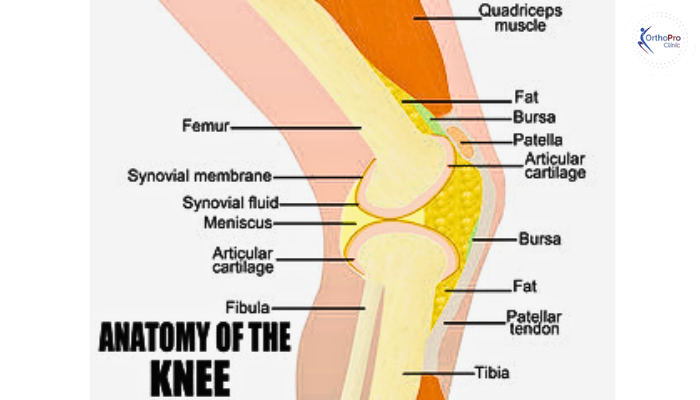
Patellar instability occurs when the kneecap moves out of its natural alignment, slipping from the groove at the end of the thighbone (femur) where it typically glides during movement.
This can manifest as a partial shift (subluxation) or a complete patellar dislocation.
In many cases, the kneecap moves laterally (towards the outside of the leg), which can cause pain, discomfort, and cracking or popping sounds in the knee.
This phenomenon is sometimes called a “stumble knee” or an unstable kneecap.
Causes of Patellar Instability
Several anatomical and functional factors can contribute to patellar instability. These include:
- Shallow Trochlear Groove: Some individuals are born with a flatter groove, which makes it easier for the kneecap to slip out.
- Ligamentous Laxity: Conditions like hypermobility or connective tissue disorders can lead to loose ligaments that do not hold the patella firmly in place.
- Malalignment: Misalignment of the hip, knee, or foot can increase lateral pressure on the patella, pushing it out.
- Previous Injury: A known history of trauma to the knee or a previous dislocation can weaken the structures around the patella, increasing the risk of recurrent instability.
- Muscle Imbalance: Weakness in the quadriceps, particularly the vastus medialis oblique (VMO), can compromise the patella’s alignment and control during movement.
According to research, patellar instability is most common among adolescents and young adults, especially those involved in high-intensity sports or activities that create continuous stress on the knee.
Patellar Instability Symptoms
Patellar instability can be intermittent or chronic. The key symptoms to watch for include:
- A sensation that the kneecap is slipping or moving abnormally
- A sudden feeling of buckling
- Sharp pain during activity, especially twisting or turning motions
- Swelling around the kneecap
- Limited range of motion
- Difficult to straighten the knee
- A visible dislocation where the kneecap shifts to the outside of the leg
For many, the first episode may be a traumatic dislocation, often occurring during sports activity or a sudden jerk, which later on can become more frequent.
Diagnosing Patellar Instability
Diagnosis typically begins with a detailed history and physical examination. Your doctor may assess the patella’s tracking, muscle strength, and ligament stability.
Diagnostic imaging, like X-rays, MRI and CT scans help to evaluate bone alignment, cartilage damage, and soft tissue integrity.

Effective Treatment Options
Non-Surgical Treatments
Most first-time dislocations or mild cases of instability can be managed conservatively:
- Rest and Ice: To reduce inflammation after an acute injury.
- Bracing or Taping: To support the patella during activity.
- Physical Therapy: Involves a targeted programme for strengthening the quadriceps muscle in order to correct the muscle imbalance.
- Avoiding high-risk movements: Avoid any jerky movements until the stability of the knee improves.
Surgical Intervention
For recurrent dislocations or severe instability, surgery may be necessary to correct the underlying issues. Surgical options include:
- Medial Patellofemoral Ligament (MPFL) Reconstruction: The MPFL is often torn in a dislocation. Reconstructing helps anchor the patella more securely.
- Tibial Tubercle Osteotomy (TTO): Involves shifting the patellar tendon attachment to improve tracking.
- Trochleoplasty: Reserved for those with a shallow trochlear groove; involves reshaping the groove.
Living with Patellar Instability
With timely intervention and the proper treatment, individuals suffering from patellar instability can return to normal life once again.
However, ignoring the condition can lead to long-term joint damage, cartilage wear, and chronic pain.
Proactive care, proper rehabilitation, and regular follow-ups are essential to prevent complications and support long-term knee health.
Take the First Step Towards a Stable Knee
If you are having symptoms of an unstable kneecap, or if your knee feels like it might “give out” during everyday activities, do not delay in seeking expert advice.
Whether you are an elite athlete or someone with an active lifestyle, our goal is to help you recover fully and return to doing what you love with confidence and in the shortest time possible.
OrthoPro Clinic offers evidence-based, patient-centered care. Its dedicated team of orthopaedic surgeons is experienced in treating patellar instability and knee-related conditions.
Book your consultation today at OrthoPro Clinic for the first step towards stronger, pain-free movement.


