


Knee pain can be incredibly frustrating, especially when it starts interfering with daily life, workouts, or even basic movements like walking or climbing stairs. One of the most common causes of persistent knee discomfort is a meniscus tear, a cartilage injury that affects the cushioning between the thighbone and shinbone.
In some cases, meniscus tears can heal on their own with rest, physical therapy, or medication. Others may require surgical intervention to prevent further damage and restore proper knee function. Knowing when surgery is necessary—and what it involves—can help you make informed decisions about your treatment.
In this blog, we’ll explore the key signs that may indicate the need for meniscus surgery, what the recovery process typically looks like, and what you can expect in terms of cost and care in Dubai.
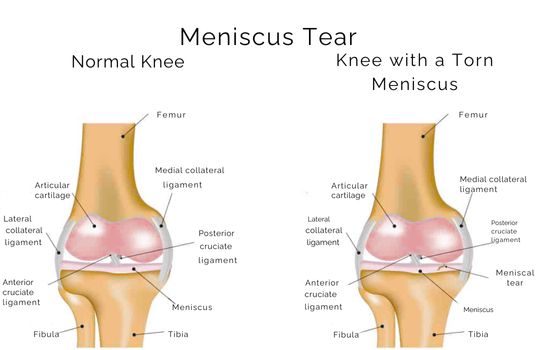
What is meniscus surgery?
Meniscus surgery is a procedure used to treat a torn meniscus—the C-shaped, rubbery cartilage in the knee that cushions the joint between your thighbone and shinbone. This cartilage plays a vital role in absorbing shock and supporting smooth knee movement.
The goal of the surgery is to either repair the tear or remove the damaged portion of the meniscus to relieve symptoms such as pain, swelling, instability, or locking of the knee.
There are three common types of meniscus surgery:
- Meniscus repair – Suturing the torn edges together for natural healing.
- Partial meniscectomy – Removing the damaged section of the meniscus.
- Meniscus replacement (Transplant) – Replacing the meniscus with donor tissue (rare and typically for younger patients under 50).
What are the signs you might need a meniscus surgery?
Not every tear requires surgery, but here are signs that it may be necessary:
- Ongoing knee pain, especially with twisting or squatting
- A catching, locking, or buckling sensation in the knee
- Swelling that doesn’t improve with rest
- Difficulty fully straightening or bending the knee
- Limited mobility affecting your daily or athletic activities
If symptoms persist despite rest, medications, or physiotherapy, your doctor may recommend surgery.
How should I prepare for meniscus surgery?
Before your meniscus surgery, your doctor may recommend several tests to ensure you’re fit for the procedure. These may include a physical examination, blood tests, an EKG, a chest X-ray, and imaging studies like a knee X-ray or MRI.
It’s important to inform your doctor about all medications you’re currently taking, including over-the-counter drugs and herbal supplements. Some medications—especially blood thinners or anti-inflammatories—may need to be stopped temporarily several days before surgery to reduce the risk of bleeding or complications.
You will be asked to avoid all food and drinks for at least 12 hours before surgery to help ensure a safe and complication-free anesthesia experience.
What happens during a meniscus surgery?
On the surgery day, an anesthesiologist will administer anaesthesia to ensure you don’t feel any pain during the procedure. Depending on your case, you’ll receive either general or regional anaesthesia. If regional anaesthesia is used, a sedative may also be given to help you relax.
Meniscus surgery is most often performed using a minimally invasive technique called knee arthroscopy. During this procedure, your surgeon makes a few small incisions around the knee and inserts a tiny camera (arthroscope) along with surgical instruments to view and treat the damaged area.
There are three main types of meniscus surgery, depending on the type and severity of the tear:
- Meniscus repair: In a meniscus repair, the surgeon stitches the torn meniscus edges together to help it heal naturally. The sutures are absorbable and dissolve as the tissue heals.
- Partial meniscectomy: In this approach, the surgeon removes only the damaged meniscus section while leaving the healthy cartilage intact. It helps relieve symptoms while preserving as much of the meniscus as possible.
- Meniscus replacement: This less common procedure is typically reserved for younger patients under 50 who have extensive damage or previous meniscus removal and are experiencing joint pain. The surgeon replaces the meniscus with a donor graft (allograft).
What is the meniscus surgery recovery time?
Recovery after meniscus surgery varies depending on the type of procedure:
- Meniscus repair: Healing takes 3 to 6 months. You’ll likely need crutches initially and must avoid putting weight on the knee to allow proper healing.
- Partial meniscectomy: Recovery is faster—most return to light activity within 2 to 4 weeks. Crutches may be needed only for a short time.
- Meniscus replacement: Full recovery may take 4 to 6 months or longer. This option requires a longer, closely monitored rehabilitation program.
What are the tips for a smoother meniscus surgery recovery?
- Follow your surgeon’s advice – Stick to post-op care and attend all follow-ups.
- Use ice and elevate – Reduces swelling and relieves pain in the first few days.
- Start physical therapy – Begin as advised to restore movement and prevent stiffness.
- Avoid high-impact activities – Don’t rush back into running, jumping, or twisting motions.
- Maintain a nutritious diet and stay hydrated – Eating well and drinking plenty of water supports tissue healing.
- Stay consistent – Progress might feel slow, but steady rehab leads to the best results.
What is the meniscus surgery cost in Dubai?
The cost of meniscus surgery in Dubai can vary depending on several factors, including:
- The type of surgery (repair, partial meniscectomy, or replacement)
- The surgeon’s experience and specialisation
- The facility where the procedure is performed
- Whether imaging tests, anaesthesia, or post-operative physical therapy are included in the package
- Your insurance coverage and policy terms
To receive an accurate, personalised cost estimate, it’s best to schedule a consultation with an orthopaedic specialist. They can provide a clear breakdown of what’s included and guide you through the most cost-effective treatment options.
Visit OrthoPro Clinic for meniscus surgery in Dubai
If you’re struggling with knee pain or suspect a meniscus tear, trust the experts at OrthoPro Clinic in Dubai. As a one-stop destination for joint pain diagnostics, management, and treatment, OrthoPro offers comprehensive care—from advanced imaging to minimally invasive surgery and personalised rehabilitation.
Our team of world-class orthopaedic super-specialists delivers the highest standard of care with precision, empathy, and integrity. Whether you need a meniscus repair, partial meniscectomy, or long-term knee management, you’ll receive expert guidance and evidence-based treatment every step of the way.
Fast-tracking your progress: Tips to safely shorten partial knee replacement...Read More
Age Matters: Choosing Partial Vs Total Knee Replacement in Your...Read More
Why a specialized Podiatry Chair is the true backbone of...Read More
What Is the Difference Between Podiatry and Chiropody? Table of...Read More
Robotic Knee Replacement: Faster Recovery for Osteoarthritis Knee Treatment in...Read More
How the Climate in Dubai Impacts Your Osteoarthritis Knee Treatment...Read More
Knee Gel Injections: which is best for your Osteoarthritis knee...Read More
5 signs you might need Shoulder Arthroscopy for your pain...Read More
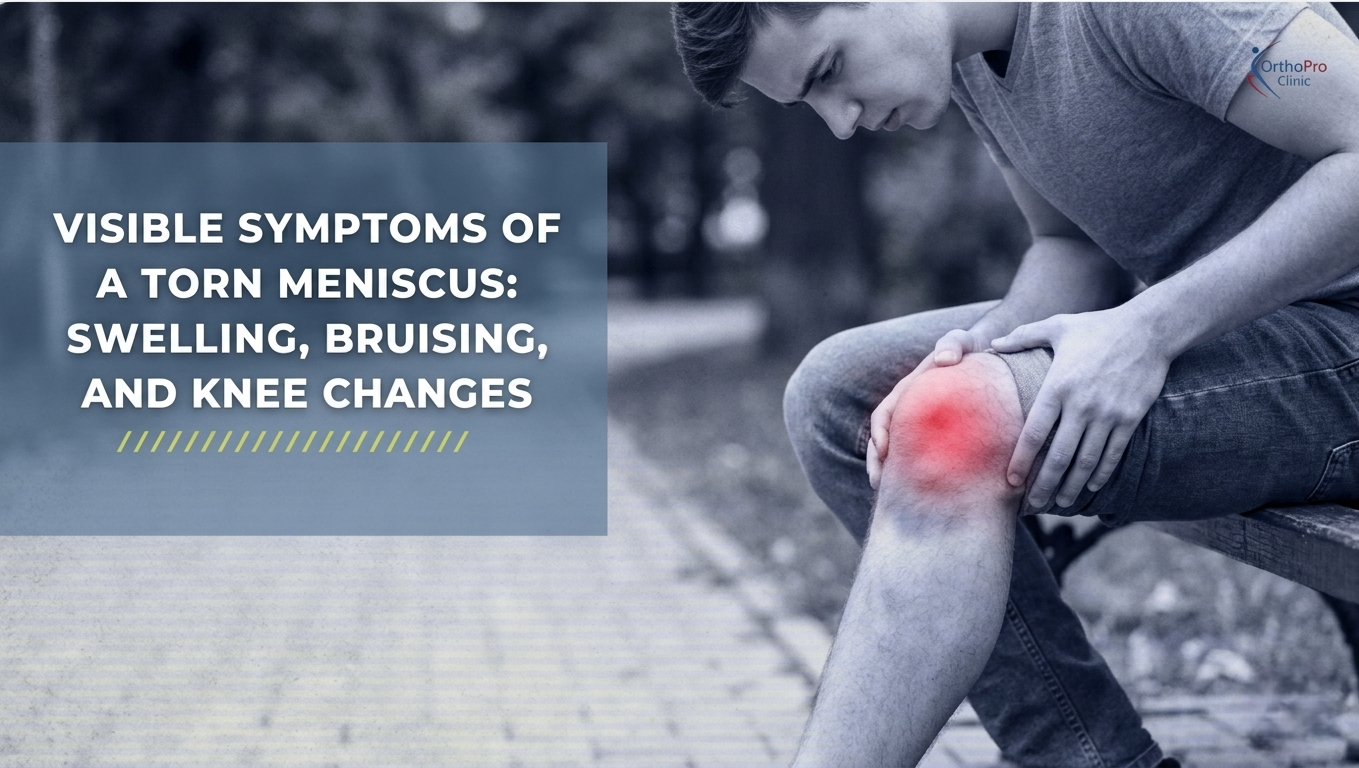
Visible Symptoms of a Torn Meniscus: Swelling, Bruising, and Knee...Read More

Why Does My Elbow Hurt When I Bend or Straighten...Read More