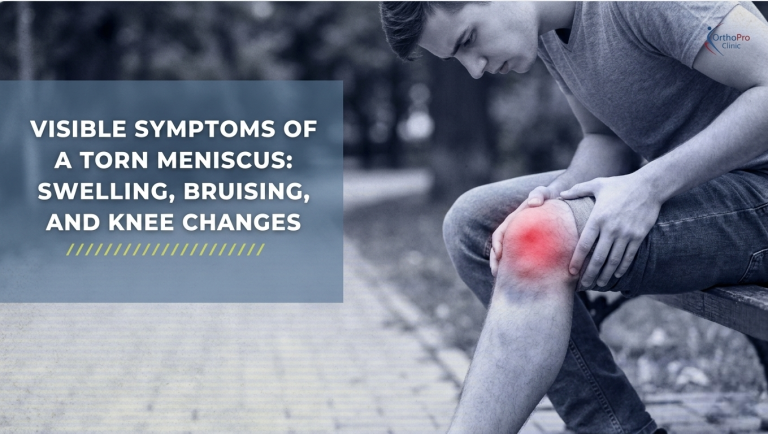
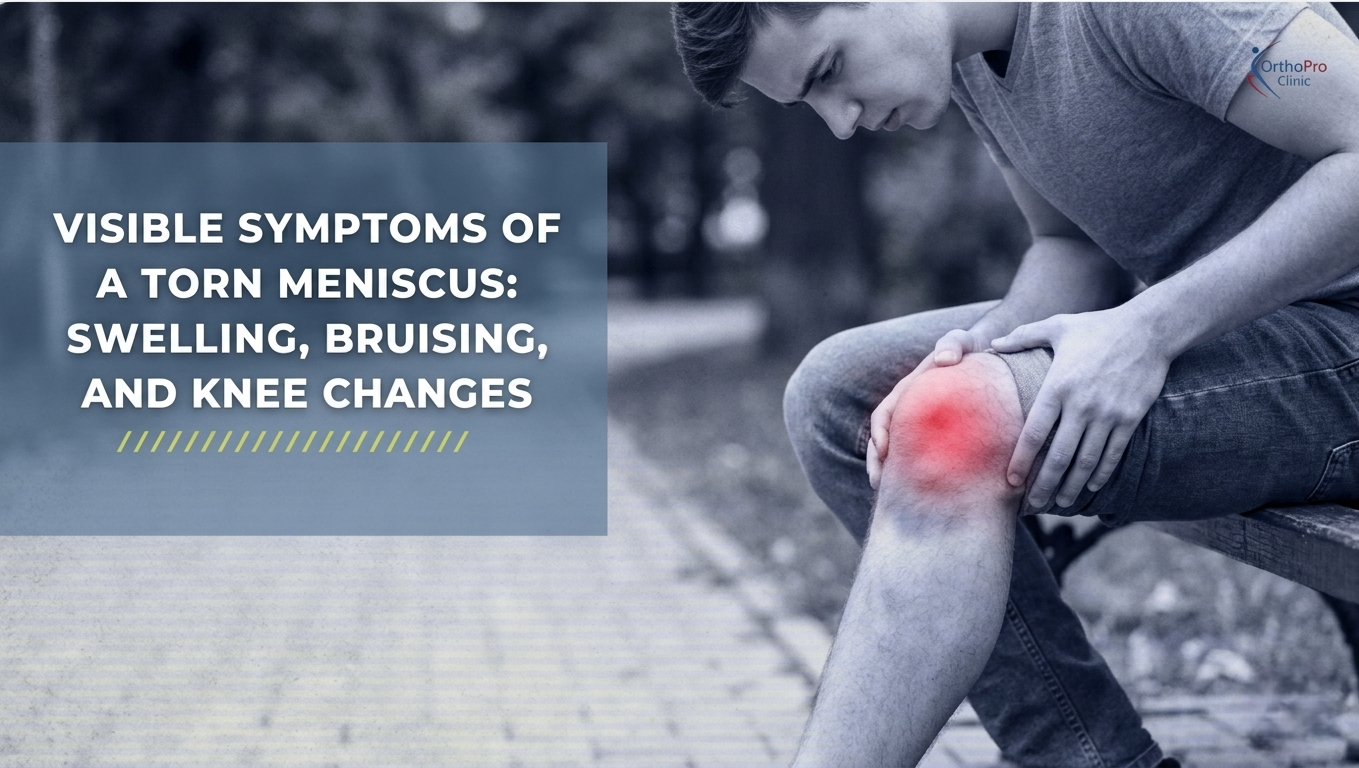
Visible Symptoms of a Torn Meniscus: Swelling, Bruising, and Knee Changes
Knee pain that shows up suddenly after a twist or with activity is often dismissed as a minor strain. In many cases, the underlying cause is a meniscus tear, a common but frequently underestimated knee injury.
Differentiating the initial physical signs of injury early can make a significant difference in meniscus tear treatment in Dubai, recovery time, and long-term knee health.
This article focuses on the visible symptoms of a torn meniscus, especially swelling, bruising, and changes in how the knee looks and moves, and explains when professional evaluation becomes essential.
Understanding the meniscus and why it matters
The meniscus is a C-shaped cartilage that lies between the thigh bone and shin bone. Each knee has two menisci: the medial meniscus positioned on the inner side and the lateral meniscus on the outer side.
The menisci absorb shock, distribute weight evenly across the joint, and help to stabilize the knee during movement.
Tearing of the meniscus usually occurs when the knee twists while bearing weight. Such situations can occur during sports, sudden direction changes, or awkward movements. Degenerative tears may also develop over time due to age-related cartilage wear.
Meniscus tear symptoms you can see and feel
- Knee swelling after a meniscus tear
One of the most noticeable signs of a meniscus tear is knee swelling. Swelling may appear within a few hours or develop gradually over one to two days.
This happens because the torn cartilage irritates the joint lining, leading to fluid buildup. Meniscus tear swelling often causes the knee to look puffy, feel tight, and become stiff, especially after activity or prolonged standing.
Swelling that persists for a long time or worsens is a strong signal that the injury is more than a simple strain.
- Bruising around the knee
Bruising is less common than swelling but may occur, mainly after a traumatic injury. When present, bruising often appears around the front or sides of the knee and may spread downward due to gravity.
Bruising alongside pain, swelling, and movement restriction should prompt further evaluation.
- Visible changes in knee shape and alignment
People notice that the injured knee looks different compared to the uninjured side. Common visual changes include:
- Puffiness around the joint line
- Mild asymmetry between knees
- A slightly bent knee posture due to discomfort
- Difficulty maintaining a fully straight leg
In medial meniscus tears, tenderness and subtle swelling often appear along the inner side of the knee.
- Locking, catching, and restricted motion
A torn meniscus can physically interfere with knee movement. The sensations can be felt as:
- The knee “catches” during movement
- Locking, where the knee temporarily gets stuck
- Clicking or popping sounds
- Inability to bend or straighten the knee
These mechanical symptoms are important indicators that the torn cartilage is affecting joint function and may require targeted meniscus tear treatment.
Pain patterns that signal a meniscus injury
Meniscus pain is typically localized rather than diffuse. It often worsens with:
- Squatting or kneeling
- Twisting or pivoting
- Walking on uneven surfaces
- Prolonged standing
Pain from a medial meniscus tear can be felt along the inner knee, while lateral tears affect the outer side.
Why these symptoms should not be ignored?
Ignoring visible signs of a meniscus tear can lead to prolonged discomfort and increased joint damage. Ongoing irritation may accelerate cartilage wear and raise the risk of early knee arthritis.
Early assessment allows specialists to determine whether conservative care is sufficient or if meniscus tear surgery is necessary to restore function and prevent further damage.
How Meniscus Tears are diagnosed?
Diagnosis commences with a thorough clinical evaluation. Specialists assess swelling patterns, joint tenderness, and knee movement. Specific tests, such as McMurray’s or Apley’s test, help identify meniscal injury.
Imaging plays a critical role:
- X-rays rule out bone injury
- MRI scans provide detailed views of cartilage and confirm the size and location of the tear
Accurate diagnosis guides help make the most appropriate meniscus tear treatment plan.
When to seek medical attention?
You should consult a specialist if you experience:
- Persistent knee swelling
- Visible changes in knee shape
- Locking or catching sensations
- Difficulty straightening the knee
- Pain that limits daily activity
Early intervention shortens the recovery time and reduces the need for surgery.
Treatment options for a Meniscus Tear
Conservative Meniscus Tear Treatment
Small tears heal with non-surgical care, including:
- Rest and activity modification
- Cold compression to reduce swelling
- Pain-relieving medication
- Structured physiotherapy exercises to strengthen supporting muscles
This approach is often effective for degenerative tears or mild injuries.
Meniscus Tear Surgery
When symptoms persist or mechanical issues interfere with daily life, surgery may be recommended. Minimally invasive arthroscopy is commonly used to:
- Repair the torn meniscus
- Remove damaged fragments causing blockage
Meniscus repair aims to preserve as much cartilage as possible, especially in younger or active patients.
Meniscus tear recovery time
Recovery depends on the type of treatment:
- Conservative care may allow return to normal activity within weeks
- Partial meniscectomy often requires 3 to 6 weeks
- Meniscus repair typically involves 3 to 6 months of rehabilitation
A guided recovery program is essential to regain strength, stability, and confidence in knee movement.
Why choose OrthoPro Clinic for Meniscus Care in Dubai
OrthoPro Clinic is a dedicated orthopedic and sports medicine center providing comprehensive knee care under one roof. Patients often benefit from:
- Experienced orthopedic and sports medicine specialists
- Advanced MRI and diagnostic imaging facilities
- Minimally invasive surgical expertise
- A large, specialized rehabilitation and physiotherapy center
- Coordinated care from diagnosis through recovery
This integrated approach helps ensure precise meniscus tear treatment in Dubai, tailored for individuals with age-related knee concerns.
Move with confidence
Visible knee changes, such as swelling, bruising, and restricted movement, are not signs to ignore. They are often the body’s way of signaling a meniscus injury that needs attention. With timely diagnosis and personalized care, most patients recover well and return to their preferred level of activity.
To schedule an evaluation or learn more about expert meniscus tear treatment in Dubai, contact OrthoPro Clinic and take the first step toward stable, pain-free knee function.
FAQ's
What is the best treatment for a torn meniscus?
The best treatment depends on the tear size, location, and symptoms. Many tears respond well to physiotherapy and activity modification, while others require arthroscopic surgery for lasting relief.
How to naturally heal a torn meniscus?
Small tears may improve with rest, ice, compression, elevation, and guided physiotherapy. However, not all meniscus tears can heal naturally, especially those causing locking or instability.
Can a meniscus tear heal on its own?
Yes, some tears, particularly those in areas with good blood supply, can heal without surgery. A specialist evaluation is necessary to determine healing potential.
Is walking good for meniscus tears?
Light walking may be acceptable if it does not cause pain or swelling. High-impact activity, twisting, or uneven surfaces should be avoided until cleared by a specialist.
Our Recent Blogs..
Knee Gel Injections: which is best for your Osteoarthritis knee...Read More
5 signs you might need Shoulder Arthroscopy for your pain...Read More
Visible Symptoms of a Torn Meniscus: Swelling, Bruising, and Knee...Read More
Why Does My Elbow Hurt When I Bend or Straighten...Read More
The Outside Knee Conspiracy: When Your IT Band Mimics a...Read More
Repairing the Soft Spot: How to Stop Chondromalacia Before it...Read More
The Hidden Crack: Why Your Persistent Joint Pain Might Be...Read More
Chronic Pubalgia Diagnosis: The “No-Bulge” Hernia That Conventional Scans Often...Read More
Back Pain Only at Night: Is it your Sleep Position,...Read More
When Your Back Only Hurts at Night: Understanding Nocturnal Back...Read More