


Shoulder injuries are among the most common musculoskeletal issues, and one of the most frequently encountered injuries is an anterior shoulder dislocation. This condition, frequently resulting from trauma or overuse, can cause substantial pain and restrict movement.
Understanding its causes, treatment options, and preventative measures is essential for recovery and preventing future injuries.
What is Anterior Dislocation of the Shoulder?
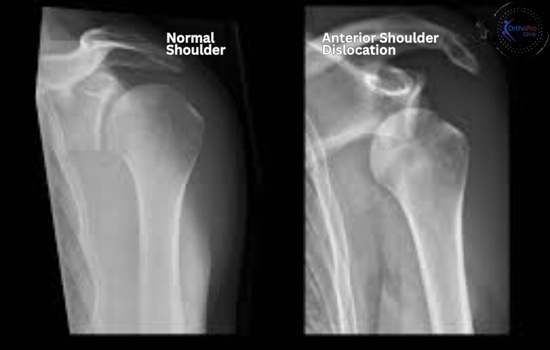
Anterior shoulder dislocation is a form of shoulder injury where the humerus head or upper arm bone displaces forwards from its typical position in the shoulder socket.
This dislocation accounts for approximately 95 % of all shoulder dislocations and often results from a forceful external rotation or abduction movement.
The condition is commonly associated with contact sports like football or basketball, falls, or sudden traumatic injuries. Patients typically experience intense pain, visible deformity, and an inability to move the arm normally.
What is the difference between Anterior and Posterior Shoulder Dislocation?
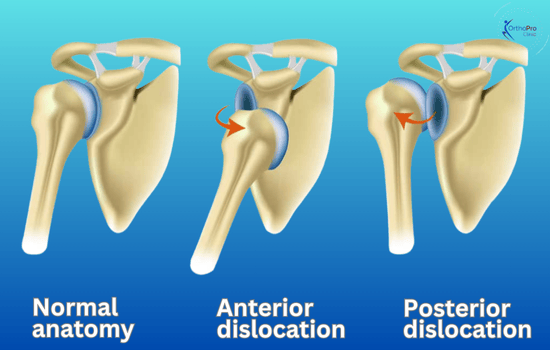
Shoulder dislocations can occur in two main directions:
- Anterior Dislocation: The humeral head moves forward, out of the socket. This type is more common and often results from trauma or excessive arm extension.
- Posterior Shoulder Dislocation: The humeral head moves backward. Though less common, it is often caused by seizures, electric shocks, or falls onto an outstretched arm.
Key distinctions arise from the dislocation’s direction and the underlying factors.
What structures are damaged in Anterior Shoulder Dislocation?
An anterior shoulder Instability can lead to damage to several structures in and around the shoulder joint, including:
- Glenoid Labrum: The fibrous tissue around the socket can tear, leading to Bankart lesions.
- Rotator Cuff Muscles: These muscles may strain or tear, especially in older adults.
- Capsule and Ligaments: Traumatic Anterior Shoulder Instability (TUBS) arises from stretching or tearing of the joint capsule and ligaments.
- Axillary Nerve: In certain instances, nerve damage can manifest as weakness or a loss of sensation (numbness) in the shoulder or arm.
- Bone Structures: Severe dislocations may cause fractures in the humeral head or glenoid cavity, visible on an anterior shoulder dislocation X-ray.
- Diagnosis of Traumatic Anterior Shoulder Instability (TUBS)
Doctors can typically diagnose anterior shoulder dislocation through a physical examination, asking about the injury’s cause and history and checking for damage to the skin, nerves, or blood vessels.
Imaging may be required to confirm the diagnosis and assess damage:
- Anterior Shoulder Dislocation X-ray: Identifies dislocation and bone damage.
- CT scan: Used if further bone details are needed.
- MRI: Evaluates ligaments and tendons, usually after the shoulder is reset.
Anterior Shoulder Dislocation Treatment
Treating an anterior shoulder dislocation focuses on repositioning the joint, relieving discomfort, and restoring full functionality through non-surgical and surgical interventions.
- Non-Surgical Options: For mild to moderate cases, physicians typically use non-invasive methods:
- Closed Reduction: The dislocated joint is gently manipulated back into place, often with sedatives or pain relievers. Most patients report immediate pain relief once the shoulder is reset.
- Immobilisation with a Sling: To aid healing, the arm is secured in a sling, reducing movement until a follow-up consultation.
- Cold Compress: Applying ice 3–4 times a day reduces swelling and alleviates pain.
- Pain Medications: Over-the-counter NSAIDs like ibuprofen and naproxen help control inflammation and discomfort.
- Physical Therapy: Targeted exercises gradually restore strength, flexibility, and the range of motion in the shoulder.
While some may experience a feeling of looseness in the shoulder after recovery, using a brace during physical activity can help stabilise the joint.
Surgical Intervention
Surgery becomes necessary in cases of severe joint instability, repeated dislocations, or when imaging reveals significant structural damage (e.g., rotator cuff tears or bone loss). Common surgical techniques include:
- Tightening or repairing damaged ligaments.
- Restoring cartilage in the joint socket.
- Filling gaps in the bone or reconstructing damaged bone tissue.
Post-surgery rehabilitation is crucial, as stiffness is common. Strengthening the muscles around the shoulder provides long-term stability and reduces the risk of recurrent dislocations.
What is the best method for Anterior Shoulder Dislocation?
The best course of treatment for an anterior shoulder dislocation is tailored to each individual, considering factors such as the severity of the injury, age, activity level, and whether the shoulder has dislocated before. In most cases:
- First-time Dislocations: Closed reduction and rehabilitation suffice.
- Recurrent Instability (TUBS): Surgical repair may be required to restore shoulder stability and prevent further dislocations.
Early intervention and adherence to a rehabilitation programme are essential for optimal recovery.
Preventing Future Anterior Shoulder Dislocations
Once the shoulder is dislocated, the risk of recurrence increases, especially in younger and physically active individuals. Preventative measures include:
- Strengthening the Shoulder: Strengthening rotator cuff and scapular stabiliser muscles enhances joint stability.
- Proper Technique in Sports: Athletes should work with coaches and trainers to improve posture, technique, and form, minimising the risk of injuries during high-impact activities.
- Avoiding Overuse: Overhead and repetitive motions can strain the shoulder joint. Adequate rest and cross-training can help reduce stress on the shoulder.
- Wearing Protective Gear: In contact sports, wearing proper gear can absorb impact and prevent traumatic injuries.
Why Choose OrthoPro Clinic for Shoulder Care?
At OrthoPro Clinic, we specialise in diagnosing and treating anterior shoulder dislocations and related injuries.
Our expert orthopaedic team, led by experienced professionals, utilises cutting-edge techniques to ensure the best outcomes for our patients.
From accurate diagnosis with advanced imaging tools to personalised treatment plans and rehabilitation, we are committed to restoring your shoulder health.
Don’t let shoulder instability hold you back. Whether you need conservative care or advanced surgical options, OrthoPro Clinic is here to guide you every step of the way.
An anterior shoulder dislocation can be painful and limiting, but with the right treatment and preventive measures, you can regain full functionality and prevent future injuries. You can take control of your recovery journey by understanding the causes, treatment options, and rehabilitation strategies.
Take the first step toward recovery and prevention—schedule your consultation at OrthoPro Clinic today!

When Your Back Only Hurts at Night: Understanding Nocturnal Back...Read More

Don’t Panic, But Be Vigilant: 8 Common Bad Signs After...Read More

What is Patellar Maltracking? Table of Contents Add a header...Read More

Who is A Candidate For Partial Knee Replacement Table of...Read More
Tibia Fracture Recovery: Timeline, Treatment & Exercises Table of Contents...Read More
OrthoPro Clinic: Prepatellar Bursitis: What to Know About Housemaid’s Knee...Read More

Beyond the Usual Ache: Surprising Orthopedic Reasons for Pain in...Read More

Patellar Tendonitis Treatment: Week-by-Week Recovery Table of Contents Add a...Read More

Week by week recovery After hip replacement surgery Table of...Read More

Do you need meniscus surgery? Signs, recovery & cost in...Read More